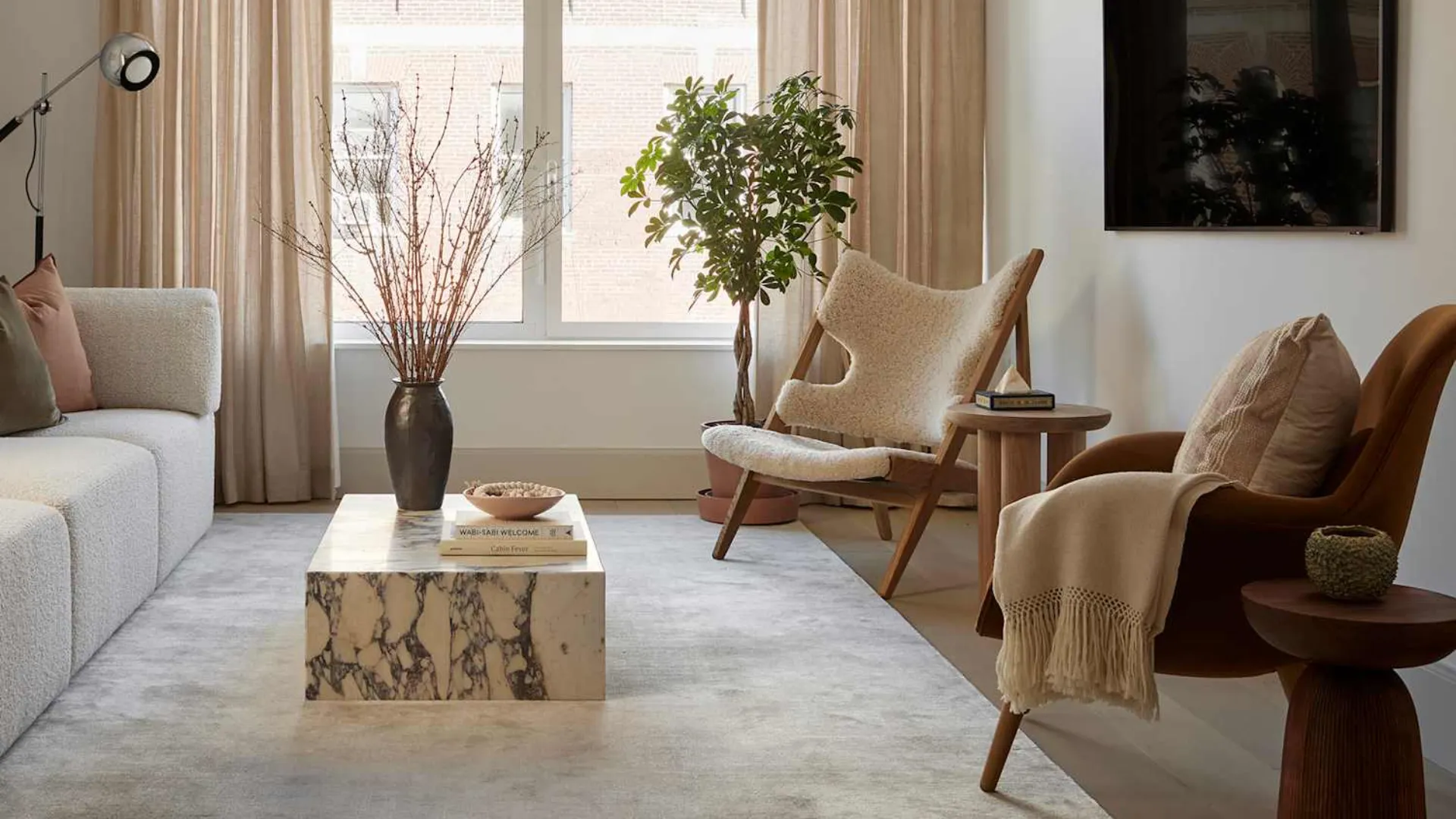
Experience: Why Minimalism Works in Modern Homes
Modern minimalist interior design isn’t just a trend—it’s a response to today’s fast-paced, clutter-heavy lifestyle. Homeowners increasingly seek spaces that feel calm, functional, and intentional. Through real-world application, minimalist design has proven to reduce stress, improve focus, and enhance overall living quality.
Designers often observe that clients transitioning to minimalism report a stronger emotional connection to their spaces. By removing excess and focusing on essentials, homes become more than just visually appealing—they become restorative environments.
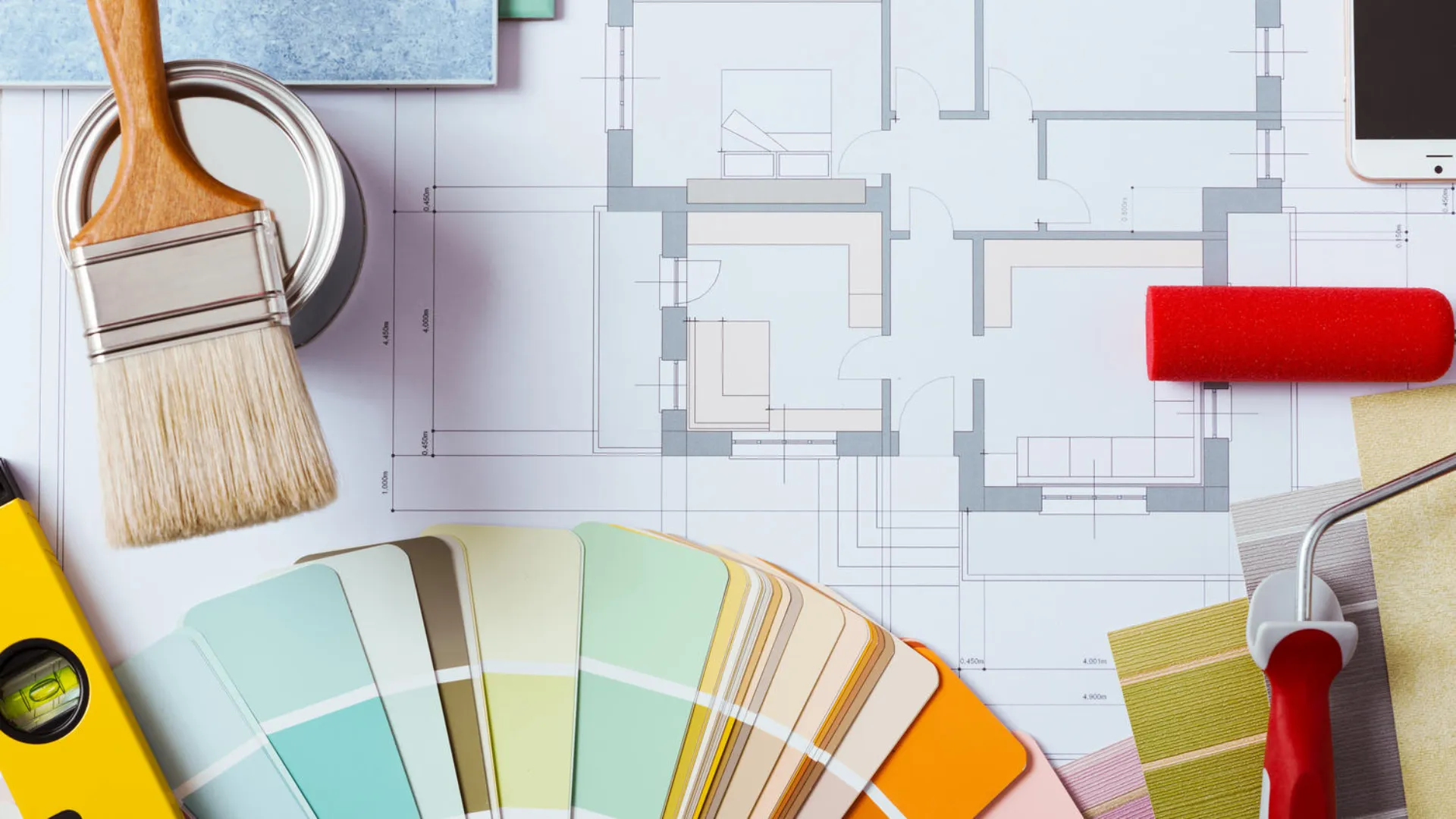
Expertise: Core Principles of Minimalist Interior Design
At its core, minimalist interior design follows a few foundational principles:
- Simplicity in Form and Function Every element serves a purpose. Furniture is chosen not just for aesthetics but for usability and efficiency.
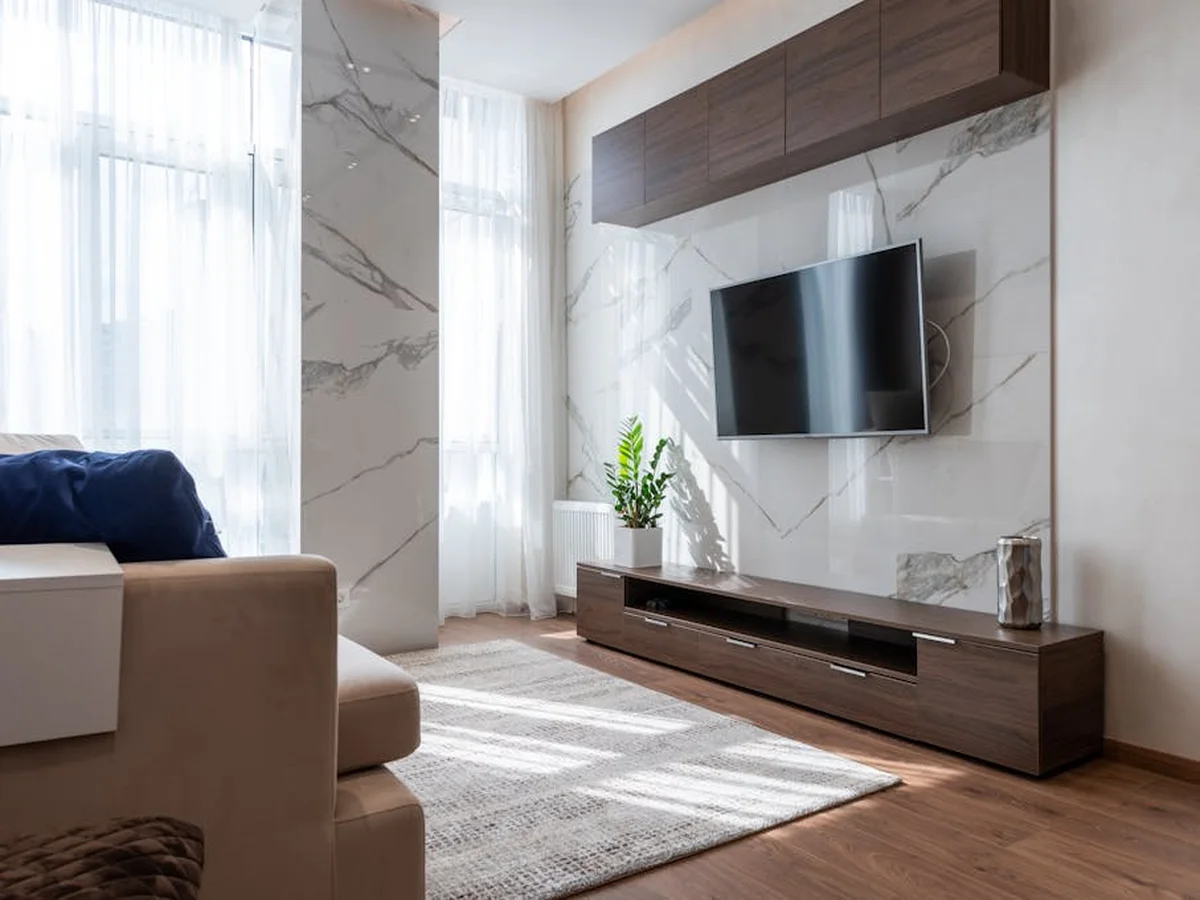
- Neutral Color Palette Whites, greys, beiges, and muted tones dominate minimalist interiors. These colors create a sense of openness and calm.
- Decluttered Spaces Minimalism emphasizes “less is more.” Surfaces remain clean, and storage solutions are integrated seamlessly.
- Quality Over Quantity Instead of filling a space with many items, focus on fewer, high-quality pieces that stand out.
- Natural Light and Open Space Large windows, unobstructed layouts, and reflective surfaces help maximize natural light.

Authoritativeness: Proven Design Strategies
Interior design professionals consistently apply these strategies when creating minimalist spaces:
Smart Furniture Selection
Opt for multi-functional furniture such as storage beds, foldable tables, or modular sofas. This reduces clutter while enhancing usability.
Strategic Use of Textures
Minimalism doesn’t mean boring. Combine materials like wood, linen, glass, and metal to add depth without overwhelming the space.
Statement Pieces
Instead of multiple decor items, use one or two standout elements—like a bold artwork or a sculptural chair—to anchor the room.
Hidden Storage Solutions
Built-in cabinets and concealed storage help maintain a clean and seamless look.
Balanced Negative Space
Empty space is intentional. It allows the design to “breathe” and highlights key elements.
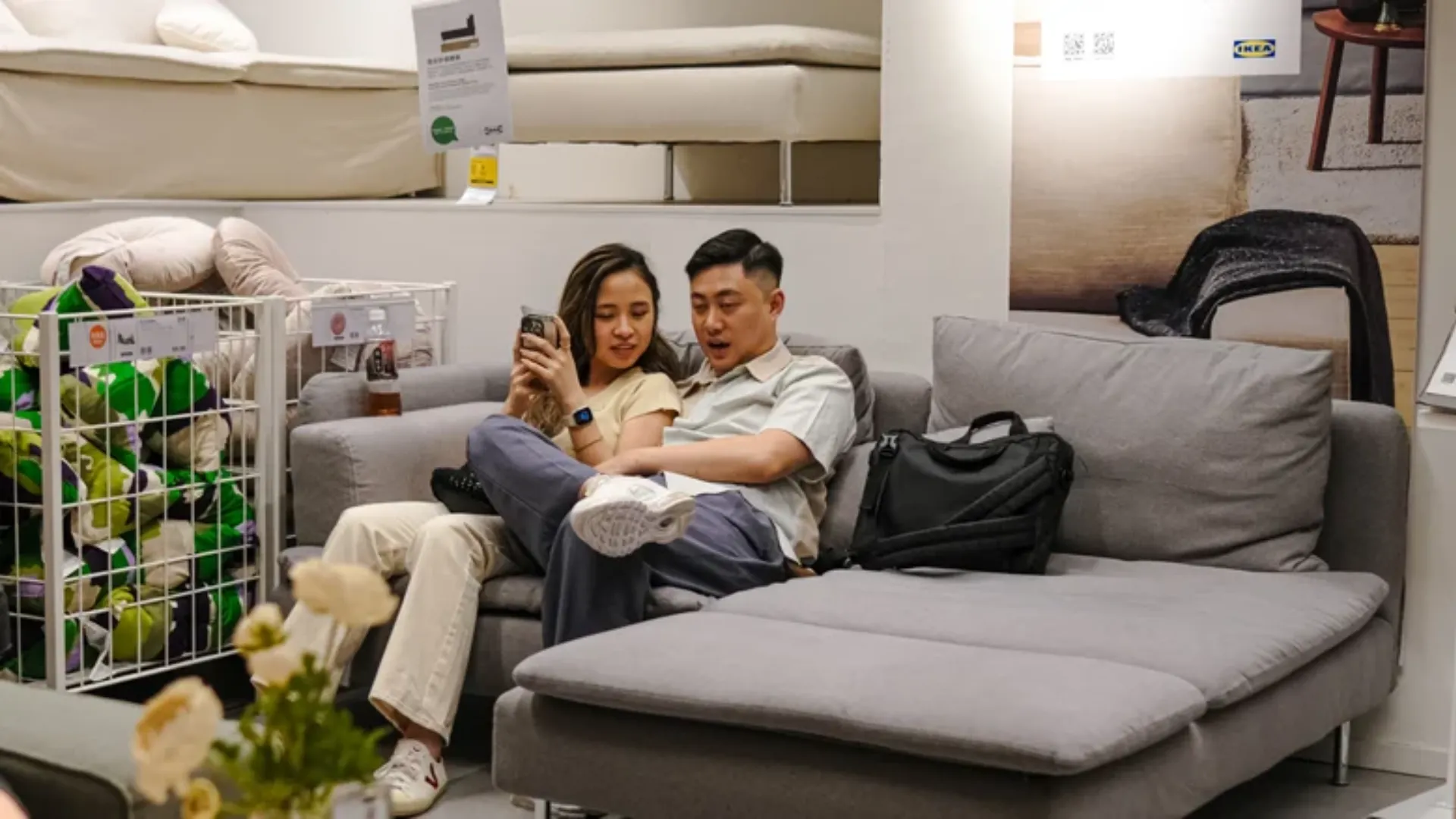
Trustworthiness: Practical Tips for Homeowners
If you’re planning to adopt minimalist interior design, start with these actionable steps:
- Declutter First: Remove unnecessary items before redesigning your space.
- Stick to a Palette: Choose 2–3 main colors and maintain consistency throughout the home.
- Invest Wisely: Spend more on durable furniture rather than decorative clutter.
- Focus on Lighting: Use layered lighting—ambient, task, and accent—to enhance the mood.
- Avoid Overdesigning: Resist the urge to fill every corner; simplicity is the goal.
Minimalism is not about deprivation—it’s about intentional living. Each item in your home should either serve a purpose or bring value to your life.
Conclusion
Modern minimalist interior design is more than an aesthetic choice—it’s a lifestyle shift toward clarity, functionality, and elegance. By focusing on essentials, maintaining clean lines, and embracing simplicity, you can create a space that feels both luxurious and deeply personal.